Memory is fragile. It is a place, a person, a moment in time we return to.
Memory is fragile. It is a place, a person, a moment in time we return to. The photographic archive operates similarly. The Fragility of the Archive centers around the photographic archive, both personal and public. Exploring how the photographic archive situates itself in relation to time, collective memory, the reproducibility of a photograph, and the authority of the photographer.
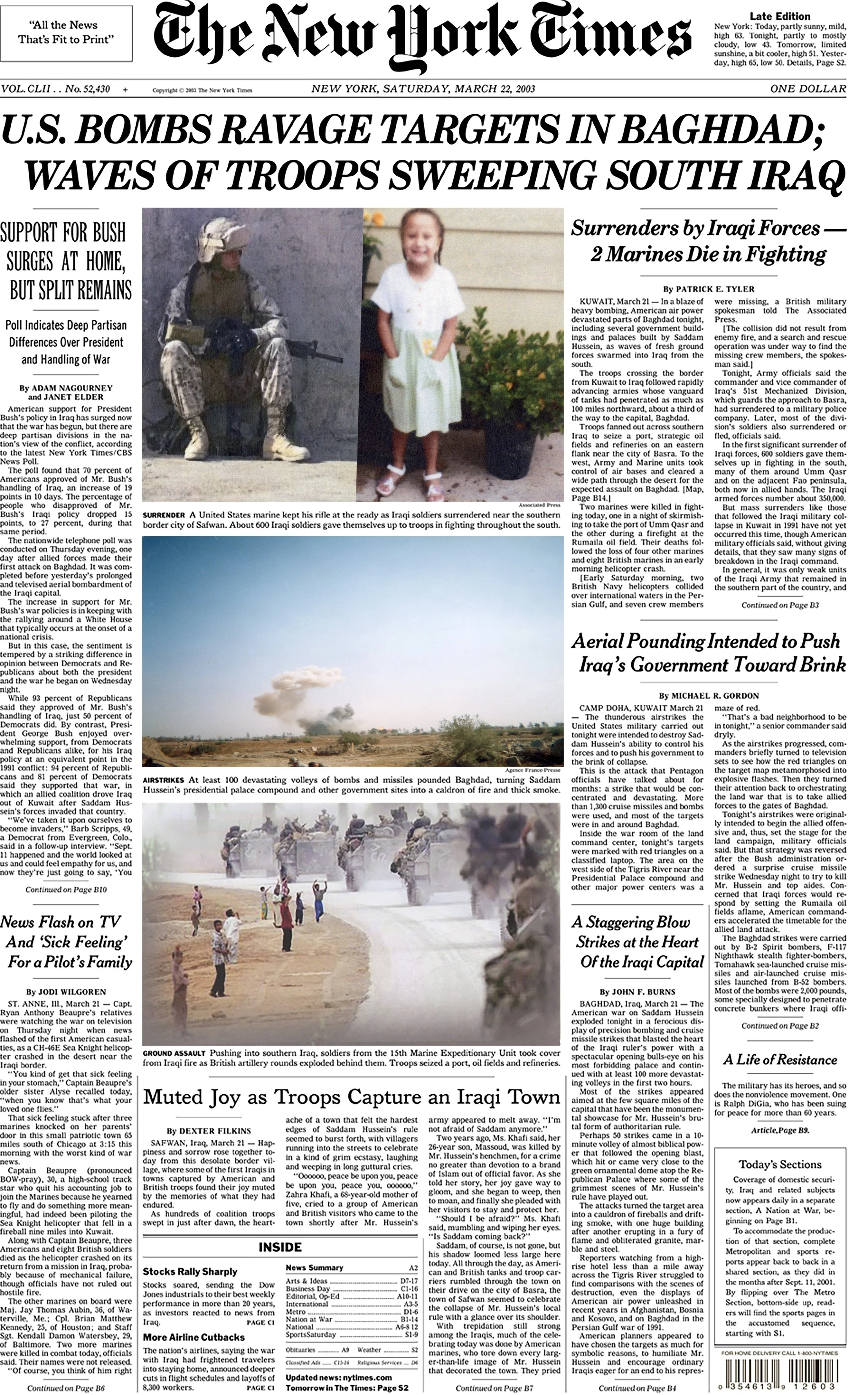
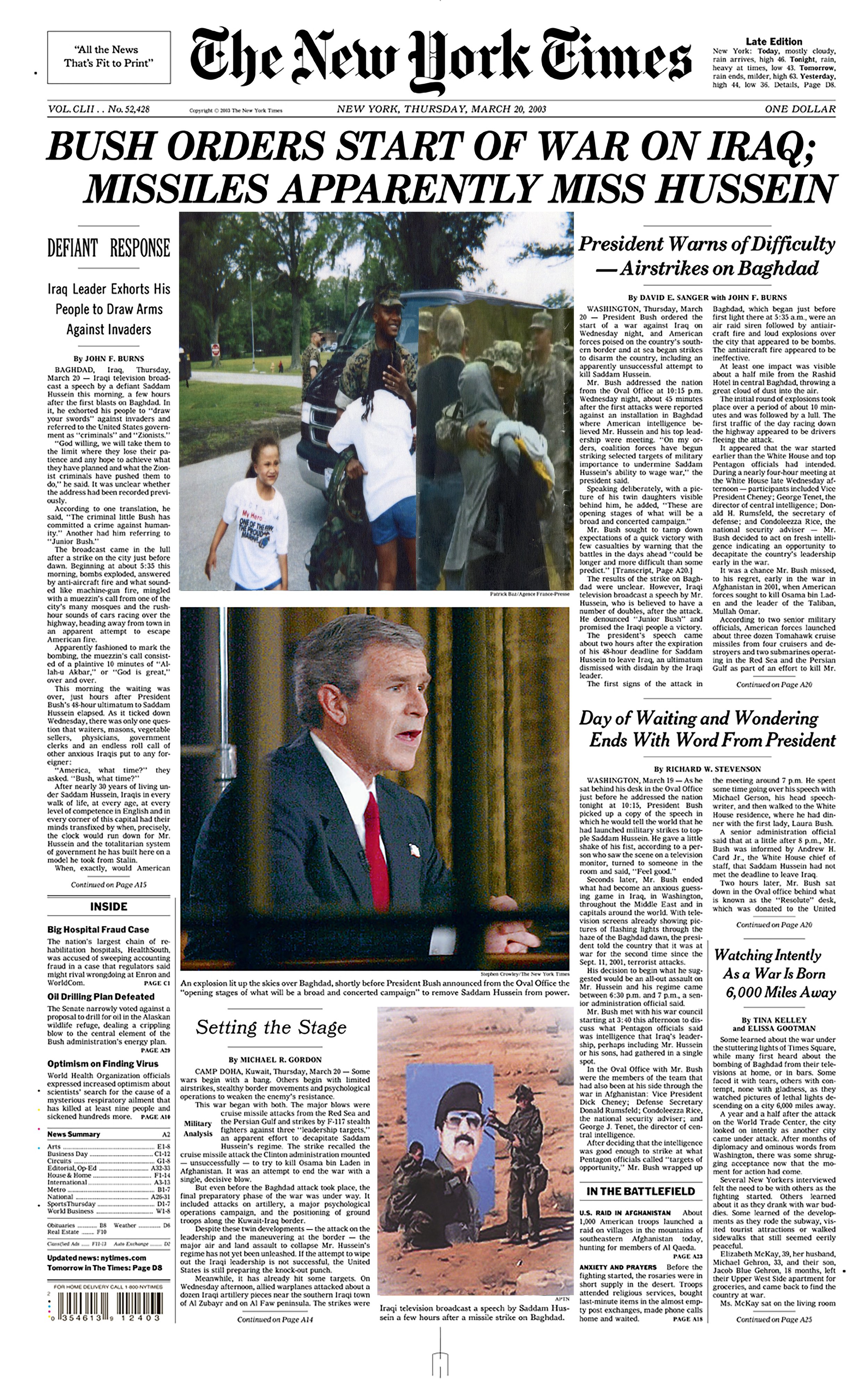
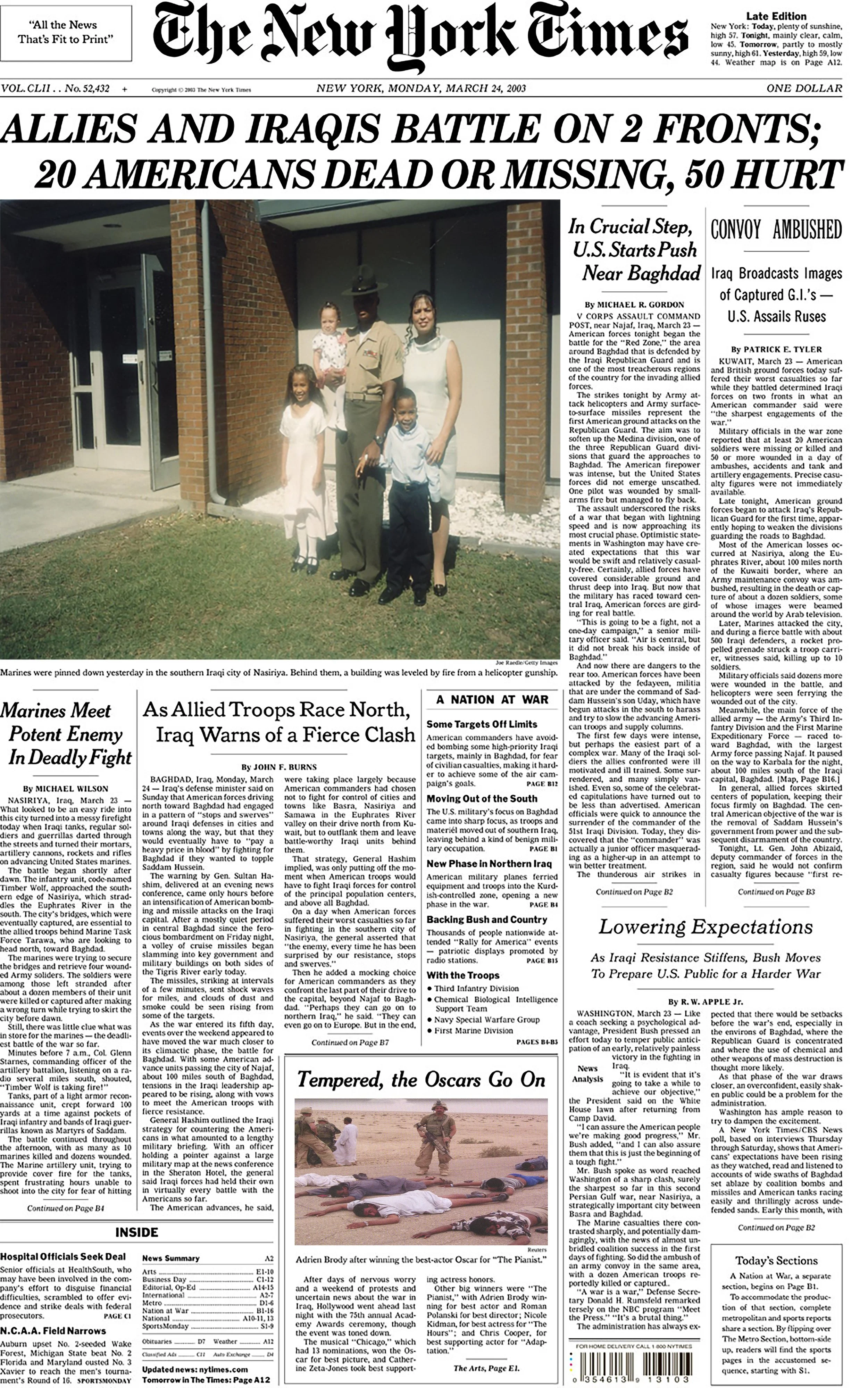
Images found in my personal family photo albums, as well as images from the public archives, are collected and integrated with various methods such as collage, scanning, and Photoshop. With a significant theme of the military and the lifestyle that comes with it, present in the body of work. Born to a Marine Corps father who served in the Iraq war, I am making an inquiry into the public and private archives by utilizing my father’s personal photographs during his deployment, as well as source material from media outlets.
How does the archive situate itself within the private and the public, and how do these forms of the photographic archive work together and separately? I am considering how memories are formed and how information travels to influence them through both public and private perceptions. This process reveals that the boundaries between the public and private spheres are relatively hazy, with the personal progressively seeping into the public and semi-public spheres. Personal photos are frequently included in the "public record" through photo archives of public libraries, estate sales, and other venues. The additional layer of this work takes into account the "official" iconography of institutions, such as government records, news organizations, and military personnel. A newspaper's front page has authority, and using images and words together in this way strengthens the connections that are made when meaning is constructed, according to Roland Barthes' Rhetoric of the Image.